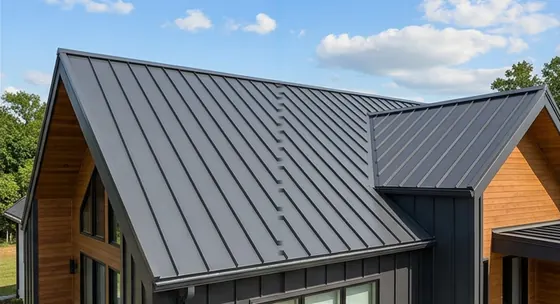
Ventilation is the cheapest thing that makes a roof last in Saint Louis metro, and exhaust without intake makes things worse.
At a glance
- Intake at the soffit and exhaust at the ridge have to be balanced.
- Ridge vent with blocked soffits pulls air out of the house instead.
- Insulation pushed into the eaves is the most common blocked intake.
- A hot attic in summer and a frosted attic in winter are the same fault.
Highly rated roofers across the county
Ranked by rating and review count. Call two or three before you decide.
Brandon J Roofing
4.7 from 1,613 reviews
Tesson Roofing & Exteriors LLC
4.9 from 845 reviews
Advocate Construction
4.8 from 879 reviews
Gallagher Bros Construction
4.9 from 667 reviews
Conner Roofing, LLC
5.0 from 507 reviews
Brody Allen Exteriors
4.9 from 535 reviews
Bone Dry Roofing
4.7 from 655 reviews
Accredited Roofing
4.9 from 465 reviews
John Beal Roofing of St. Louis
4.6 from 635 reviews
Common questions
How much attic ventilation do I need
The usual rule is one square foot of net free vent area for every 150 square feet of attic floor, halved when a vapor barrier is in place and the intake and exhaust are balanced.
Are attic fans a good idea
Usually not here. A powered fan can depressurize the attic and pull conditioned air out of the house. Fixing intake and exhaust is the better spend.
Can ventilation be fixed without a new roof
Soffit intake can be opened up any time. Ridge exhaust is far cheaper to add while the roof is off, so plan it with a replacement.